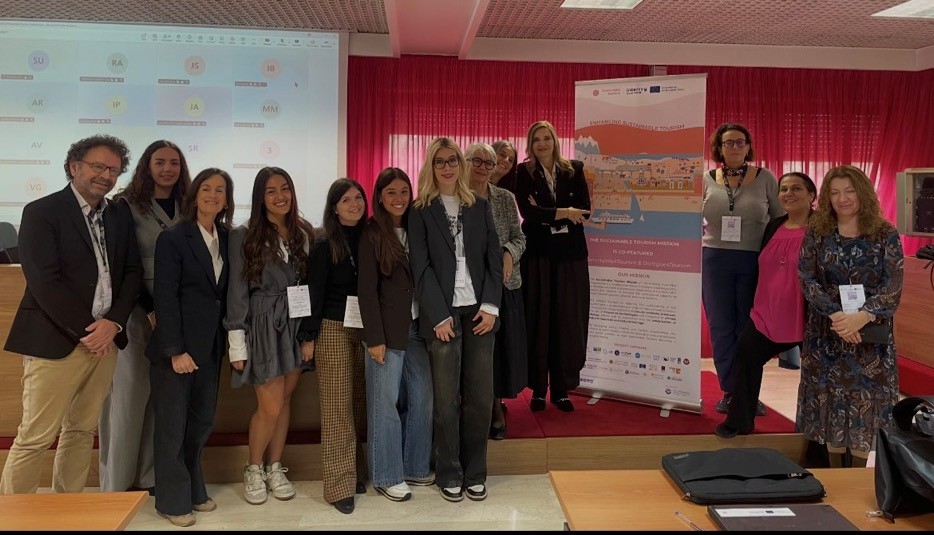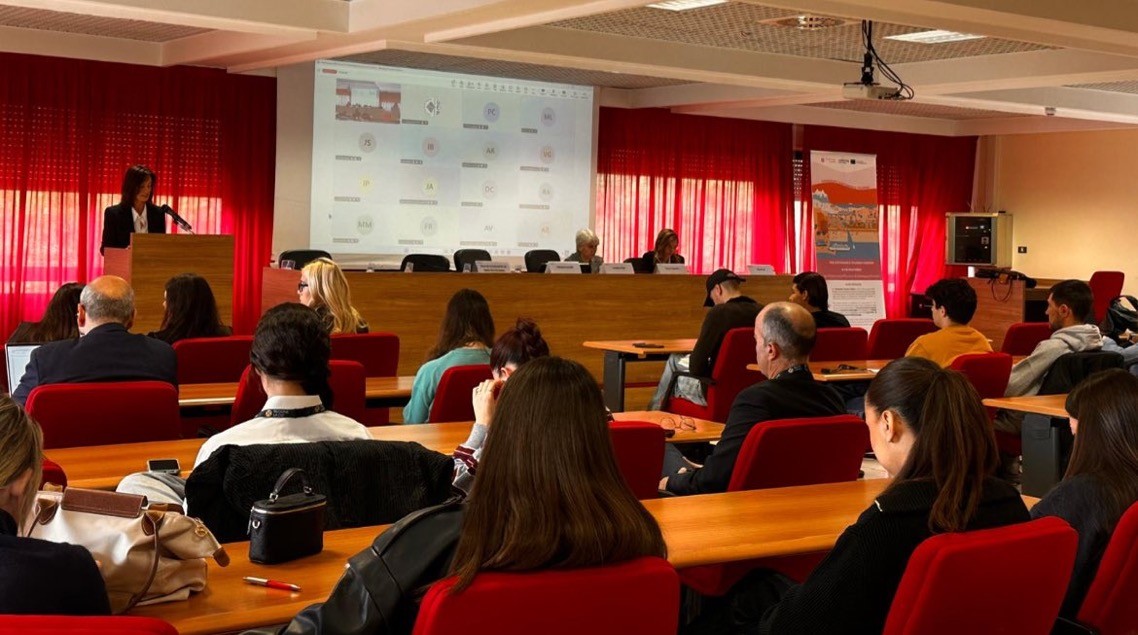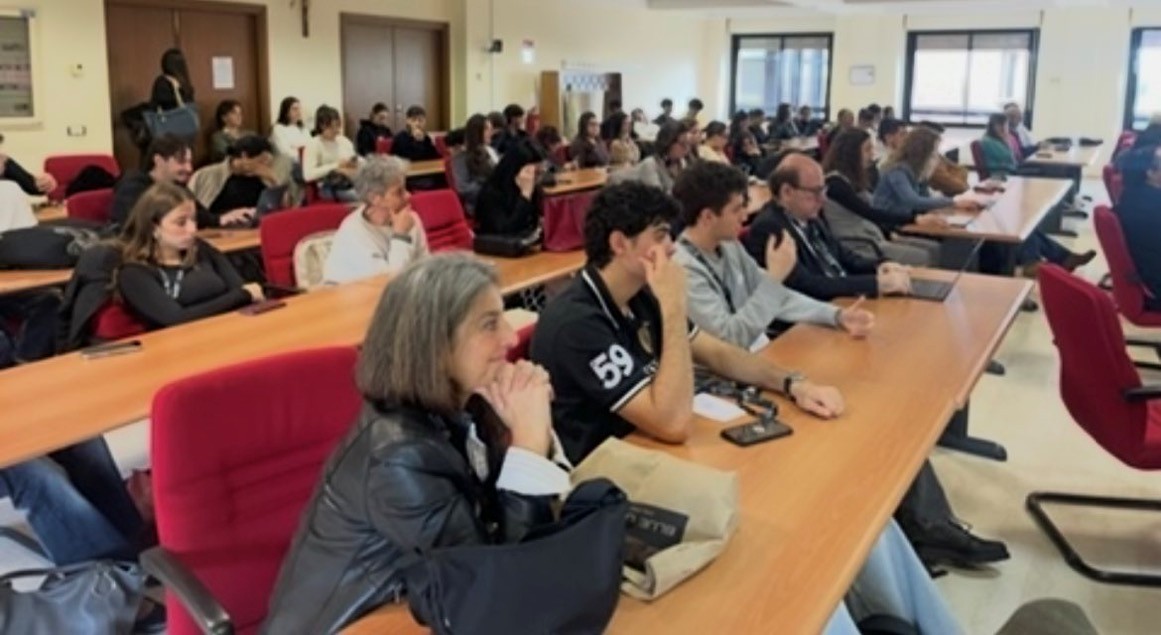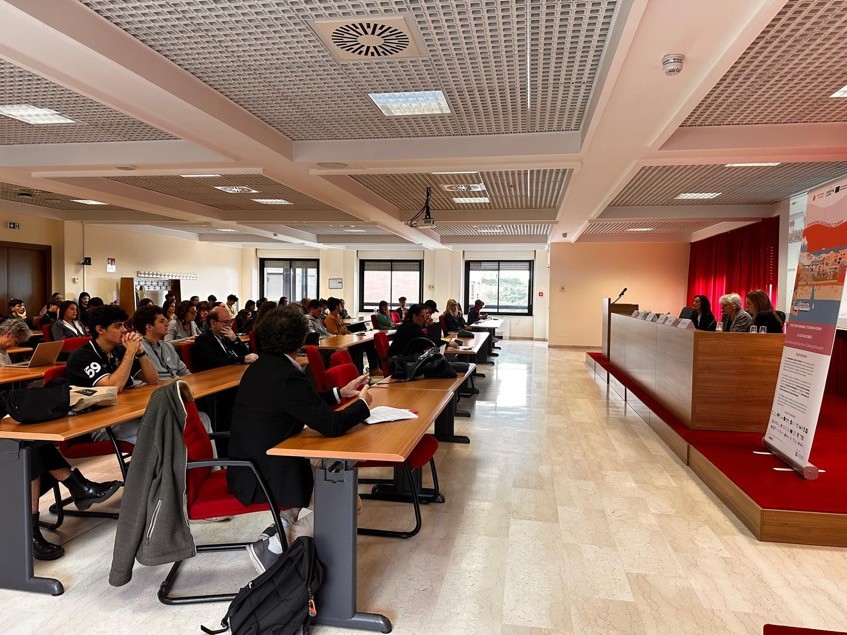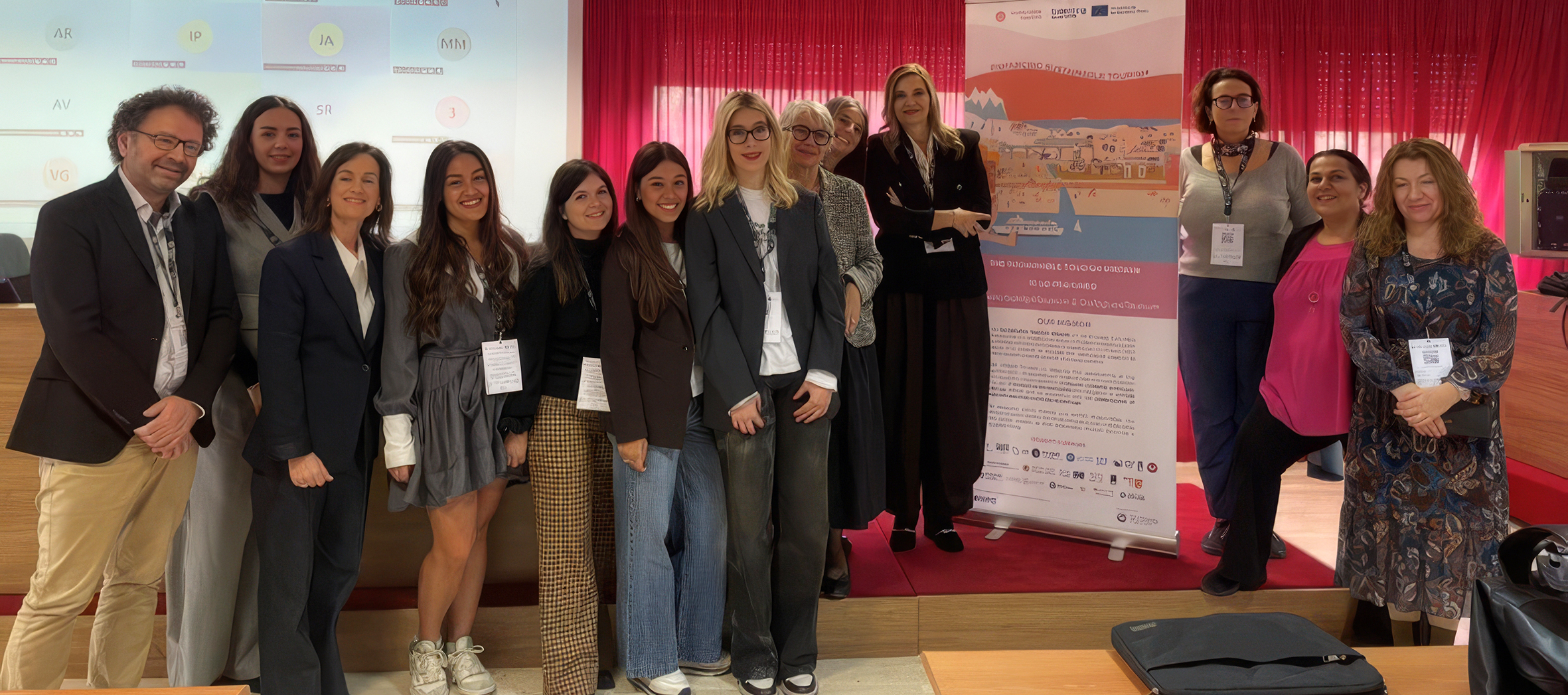

The 4th Event of the Network of Sustainable Tourism Observatories and Youth Hackathon took place in Rome, bringing together young people, experts and institutions to shape the future of sustainable tourism in the Mediterranean.
Young people took centre stage at the 4th Event of the Interreg Euro-MED Network of Sustainable Tourism Observatories (NSTO), held at the Università Europea di Roma. Organised within the framework of the Interreg Euro-MED Dialogue4Tourism project, the event highlighted the importance of giving younger generations a stronger voice in decisions about the future of sustainable tourism.
Under the theme “Youth Voices, Green Destinations”, the event brought together representatives of Sustainable Tourism Observatories, public authorities, universities, tourism experts and students to exchange ideas and explore new ways of making Mediterranean tourism more sustainable.
The event was organised through the cooperation of Lazio Region, partner of Dialogue4Tourism, Università Europea di Roma, associated partner of the project, and El legado andalusí Andalusian Public Foundation (Regional Ministry of Culture, Historic Heritage and Sport of Andalusia), Lead Partner of Dialogue4Tourism.
Institutional support for youth participation and sustainable tourism
The event opened with institutional interventions highlighting the importance of cooperation between public authorities, universities and younger generations in building a more sustainable Mediterranean tourism sector.
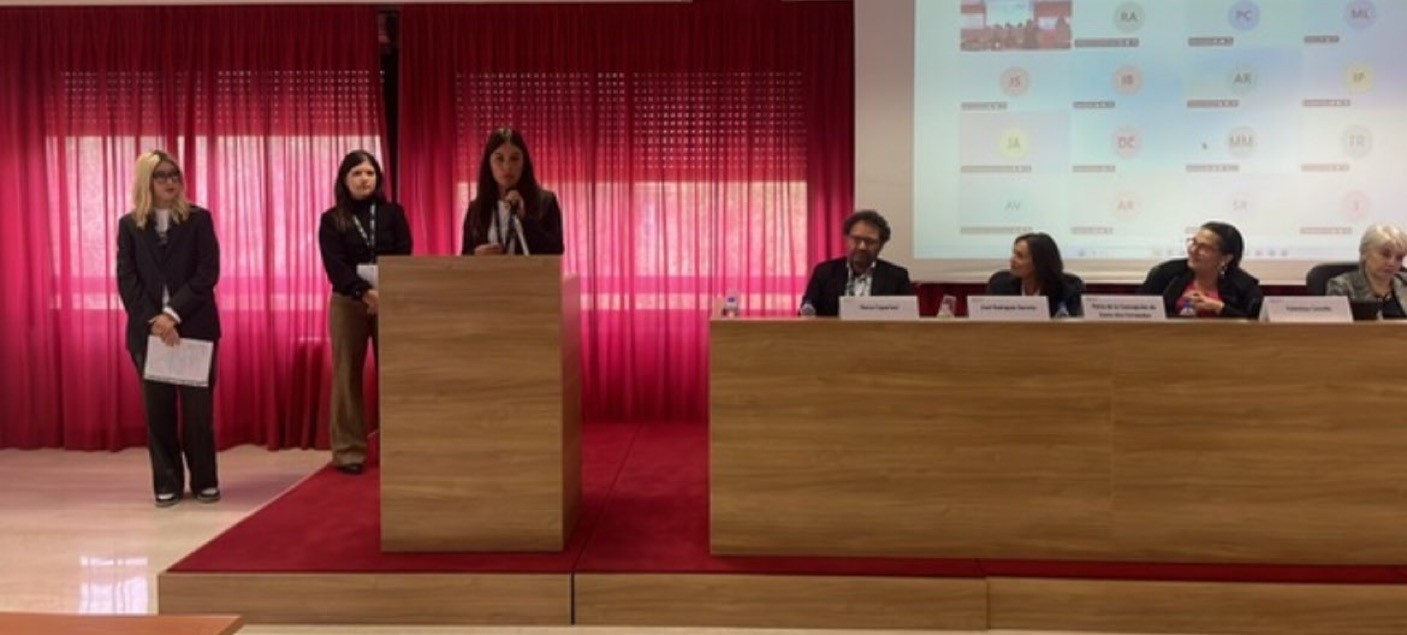
María de la Concepción de Santa Ana Fernández, Managing Director of El legado andalusí Andalusian Public Foundation, participated in the institutional opening session, representing the Foundation’s commitment to strengthening cooperation and promoting sustainable tourism across the Mediterranean. Loredana E. Giani, Full Professor of Administrative Law and Director of the Generative Welfare Research Centre at Università Europea di Roma, also took part in the institutional opening, representing the university’s involvement in the project and its contribution to research, cooperation and sustainable tourism governance. The opening was closed by Axel Rodríguez Garrote, project officer of the Interreg Euro-MED Programme attached to the Sustainable Tourism Mission. The event continued with a presentation of the event by Valentina Castello, Professor at Università Europea di Roma and member of the Management Committee of the Generative Welfare Research Centre, together with Marco Caporioni, representative of Lazio Region, and a student representative from the university.
This session introduced the objectives of the workshop and highlighted its central theme: putting young voices at the heart of sustainable tourism governance in the Euro-Mediterranean region.
Young voices, new ideas for sustainable tourism
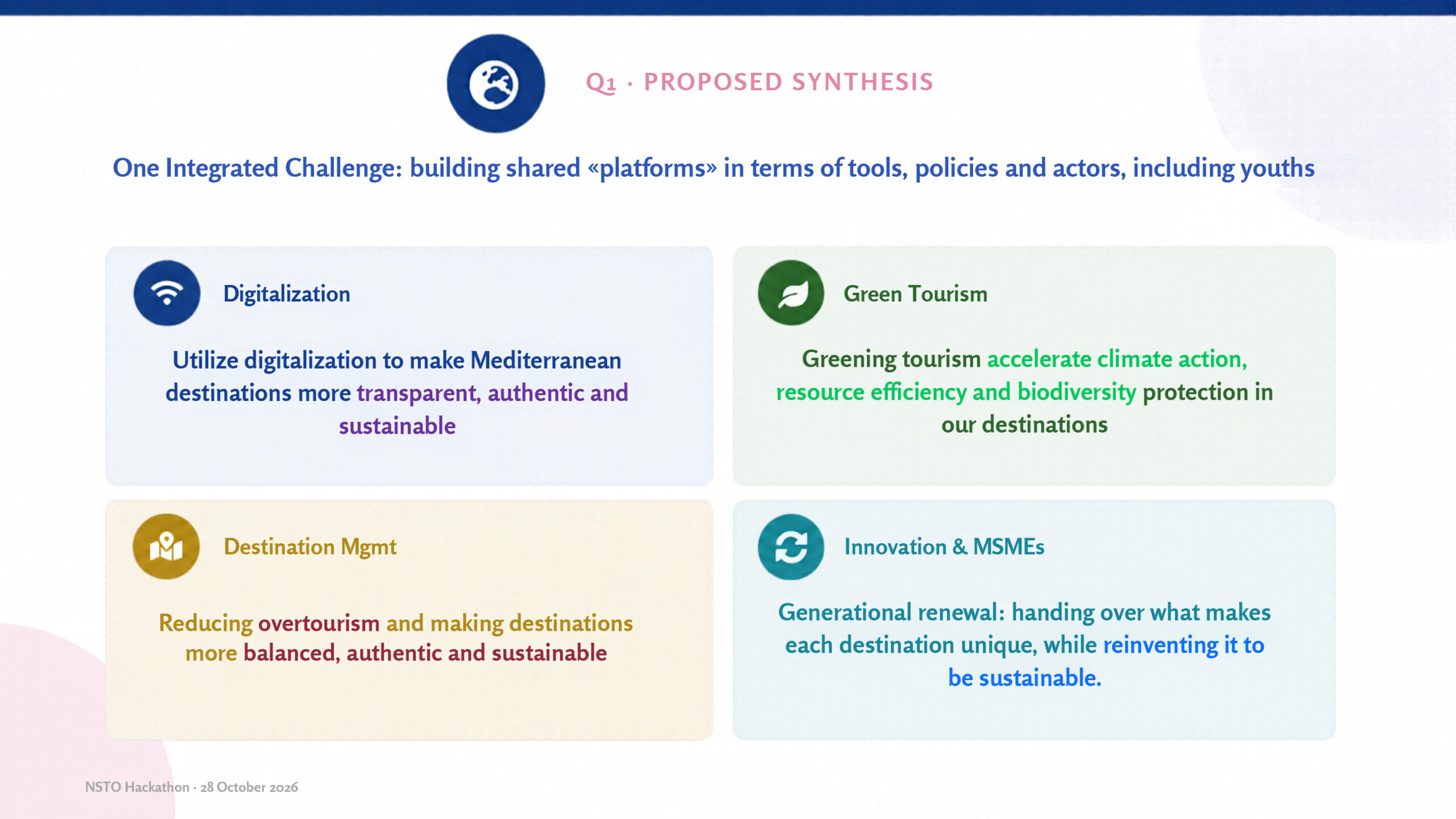
One of the main highlights of the event was the Youth Hackathon, which placed young people at the heart of the discussions. Students and young representatives were invited to share their ideas, concerns and proposals for the future of tourism in the Mediterranean. The discussions focused on two important questions: What are the biggest challenges for sustainable tourism over the next ten years? And how can young people help develop better solutions? The Youth Hackathon provided an opportunity to bring fresh perspectives into the Network and encourage young people to take an active role in shaping tourism policies and practices. The key message was clear: young people should not only be part of the conversation about sustainable tourism. They should help lead it.
Building a stronger network for the Mediterranean
Alongside the Youth Hackathon, the event focused on strengthening cooperation between Sustainable Tourism Observatories across the Mediterranean. Participants explored how observatories can work better together, share information, use common indicators and provide reliable data to support decisions about tourism. Another important topic was how to connect the work of observatories more closely with public policies, ensuring that research and data can help destinations become greener, more resilient and more inclusive. These discussions were built on the Handbook for Sustainable Tourism Observatories: Strategies & Governance Guidelines, developed within the Network, and contributed to identifying future priorities for cooperation.
Bringing young people closer to decision-making
A central message throughout the event was the need to create stronger links between young people, researchers, tourism professionals and public authorities. By involving students directly in discussions about tourism governance, the Network aims to ensure that the ideas and expectations of younger generations are considered when planning the future of Mediterranean destinations. The event also contributed to the ongoing development of the Network and its Memorandum of Understanding, which seeks to strengthen long-term cooperation among Mediterranean tourism observatories. The participation of young people is essential to this mission. Their creativity, ideas and commitment can help develop new approaches to the challenges facing Mediterranean destinations.